Deep Diving Simulator
I joined the team right after the prototyping phase of the project and once it moved to the full-blown production. During the course of the project I had a chance to design many of the features, systems and level for the game and then iterate on and maintain them throughout the whole production process. As with all of the projects I was involved in, I was the person responsible for UI implementation.
Here's an overview:
Prefab Design: Created and maintained reusable prefabs for interactive objects, collectibles, enemies, and hazards, ensuring easy iteration across levels.
Player Mechanics Tuning: Fine-tuned player movement, speed, and oxygen use to enhance the underwater exploration experience, adjusting settings per level.
UI/UX Design: Led UI implementation, working with artists and programmers to ensure smooth functionality and localization throughout the game.
Progression System: Designed a balanced player progression system with upgrades and new mechanics, catering to both casual players and completionists.
Level Design: Created and refined three full levels (Pirate's Nest, Silent Cove, Dragon's Den), balancing exploration, hazards, and challenges.
Level Maintenance and QA: Ensured all levels were polished, functional, and enjoyable, aligning mechanics with overall game design and player experience as DevQA.
Game Design
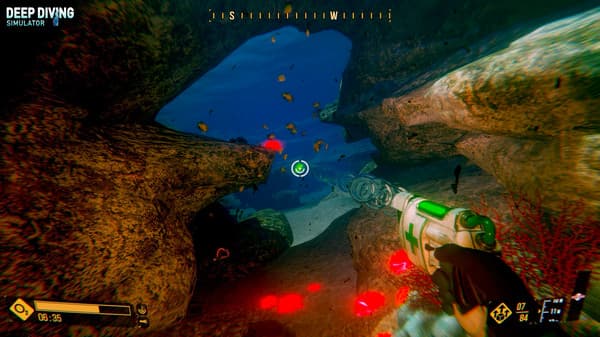
I have set up and maintained majority of the prefabs objects used throughout various systems present in the game. One of my main responsibilities was the set-up of the easy to use and re-usable prefabs for most of the interactive objects in the game:
Collectible, Destructible and Interactive items
Enemies and Hazards
Balancing and fine-tuning the gameplay experience
UI/UX Design
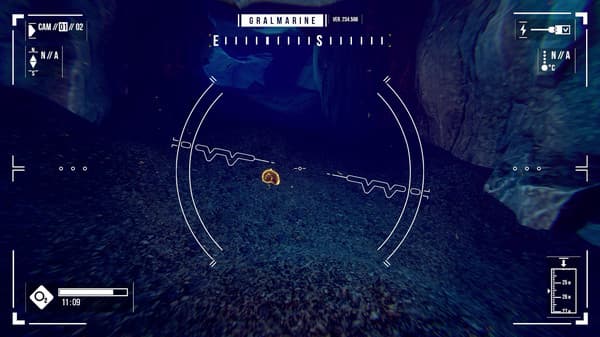
I was involved throughout the whole implementation stage of the UI and UX design of the game. As the UI designer for the project, my main responsibilities were:
Game Balance
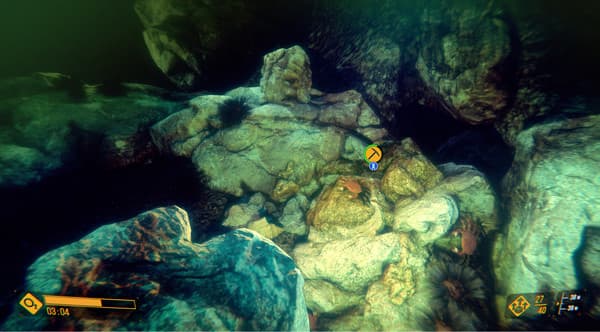
The game involved a player progression system to both incentivize and reward the players for their exploration. With each level the player would receive a different upgrade to the general abilities (more oxygen, better decompression handling, faster sprinting) or obtain new and interesting mechanics to be used on the later levels (dynamite, pickaxe, drone).
My responsibility was to design the player progression system and work on the balancing of the level thresholds and experience values, based on the couple of factors:
Level Design
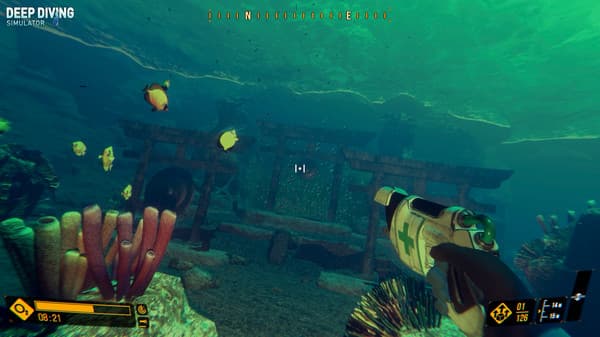
One of the characteristic spots in the Dragon's Den level which I worked on was featured on the game's Steam page.
I was involved in the full creation of three levels: Pirate's Nest, Silent Cove and Dragon's Den. For those levels, I've started working on them right from the initial block out all the way up to their final stages for the releasable status. My main focus as a level designer was to guide the players through the levels, providing them with challenges and interesting locations to explore. On each level, the player would encounter some dangers and hazards in the forms of sharks, sea urchins, fishing nets or strong water currents as well as had a moment of peaceful exploration and collecting sea shells and sunken treasures.
In the final stages of the production I was the also responsible for the fine-tuning and upkeep of majority of the levels of the game. My main duties were mainly, but not limited to: