Truck Simulation 19
I joined the team when the game was already halfway through its production, with many different features and functionalities already established, however many of them still in need of iteration and redesign. Most of my work on the project was realized during that process and usually I had to work in the already established boundaries, always needing to take into the account how I can use the existing functionalities and improve upon them.
Here's an overview:
Delivery System: Developed a dynamic delivery system, factoring in player progression, cargo type, and delivery challenges.
Tutorial Redesign: Revamped the tutorial, integrating advanced features and immersive dialogue to enhance player onboarding.
Meta Game: Created a trucking company management system, driving player engagement with real-time job completions and passive income.
UI/UX Design: Led UI design and localization, later implementing a full redesign to meet publisher requirements.
Mission Design: Designed story missions with dynamic gameplay, adjusting routes and conditions based on player progress and map updates.
Level Design: Crafted road networks, intersections, and environments, ensuring realistic navigation and cohesive map design.
Game Design
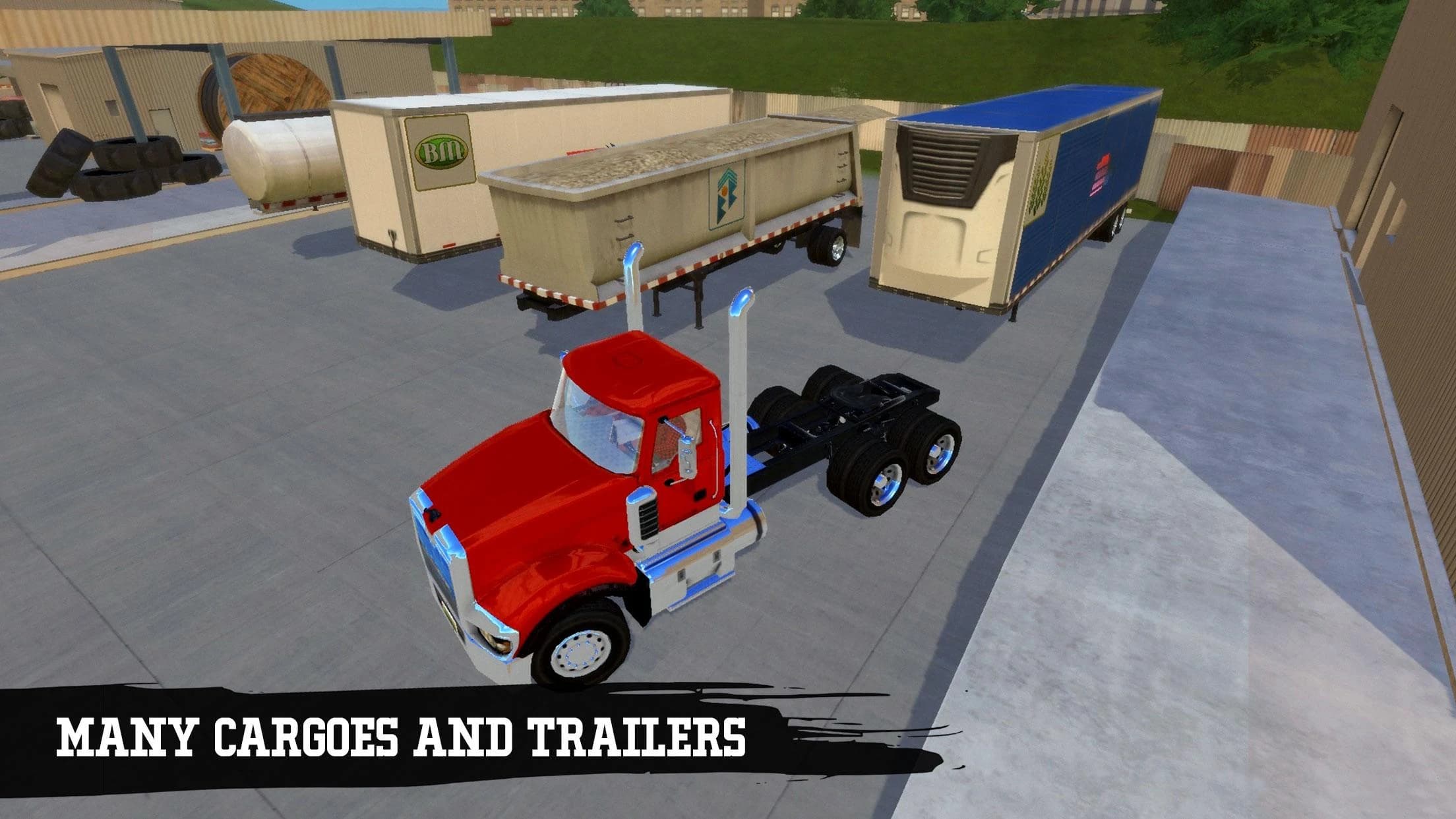
Deliveries system
One of the biggest features I was working on was the deliveries system, tightly connected to the game balancing and the overall game progression.
In the process of designing the feature I was responsible for setting up the prefabs of different trailers for the deliveries as well as coming up with the ideas for the cargo. Some of them were made into special models.
This system was connected to the game progression system and was taking into the account several factors, such as player level, truck level, rarity and quality of the cargo, size of the cargo and distances between the cities. Some deliveries had special modifiers influencing the way the player had to handle the cargo (fragile cargo, illegal cargo, oversized cargo) and of course the faster the player would complete the delivery, the better the reward.
This way the player was always presented with a breadth of choices, each with their own pros and cons. Some of the deliveries had special modifiers and could be easily damaged while some jobs required to travel over great distances or some required special truck upgrades.
Tutorial Flow Redesign
In the later stages of the development I was tasked with redesigning the tutorial flow, explaining all of the essential details to the new players. I expanded on the original idea by adding new steps and taking into the account the more advanced and complex functionalities that the target audience of the simulators would look for and made them a part of the flow. Even though the introduction to the game had to have a structure of the classic tutorial, it was actually presented as the “technical check” of the truck, already putting the player into the shoes of the truck driver from the first minutes of the game. All dialogue for the tutorial was also written and prepared by me.
Meta game
Apart from the core gameplay loop focusing on the players driving and completing the jobs, the game also introduced the meta game in the form of the player owned company. The goal of the player was to build their own trucking empire by hiring new drivers and building depots in the cities visited by the players.
Players would send their drivers on the selected jobs and wait in the real time for them to be completed. This would provide the player with the passive income, encouraging further play and frequent revisiting of the game.
This system was mostly based on the player delivery system, however it was redesigned in terms of values to provide the players with visible profits and purpose of maintaining their own company in the mode.
UI/UX Design
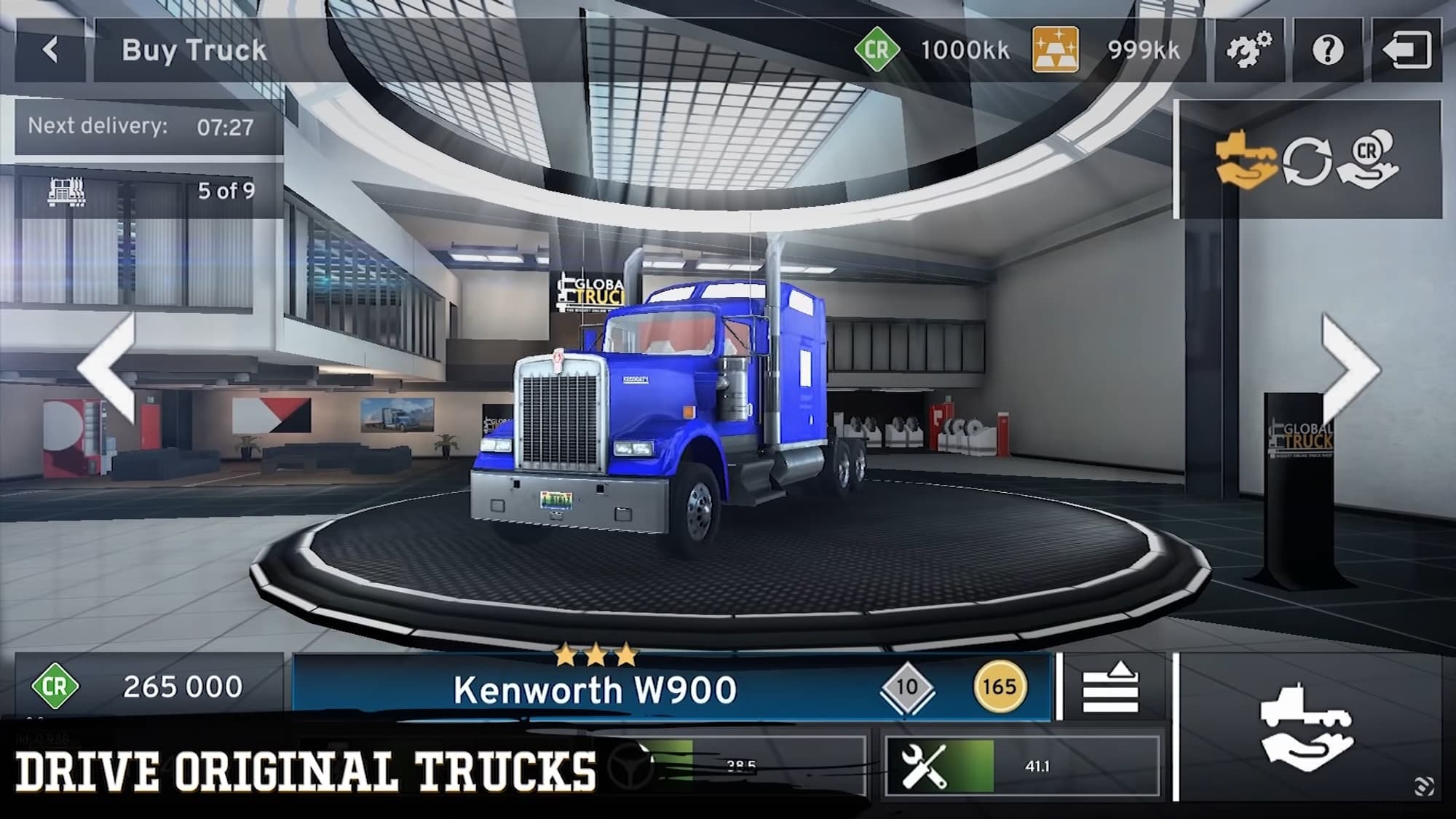
UI/UX tasks & responsibilities
In the project I was the main person responsible for the UI design. From the moment I've started working on the project up until its release I was solely responsible for the game UI setup and maintaining its functionalities. This process involved:
UI redesign
At one point in the project the publisher requested a complete UI redesign so it would be more in line with the other simulation games they have published in the past. This required some serious changes in the overall look, design and navigation of the UI. During this process I was closely working with the UI artist and UI programmer in order to deliver on the vision requested by the publisher.
Narrative Design
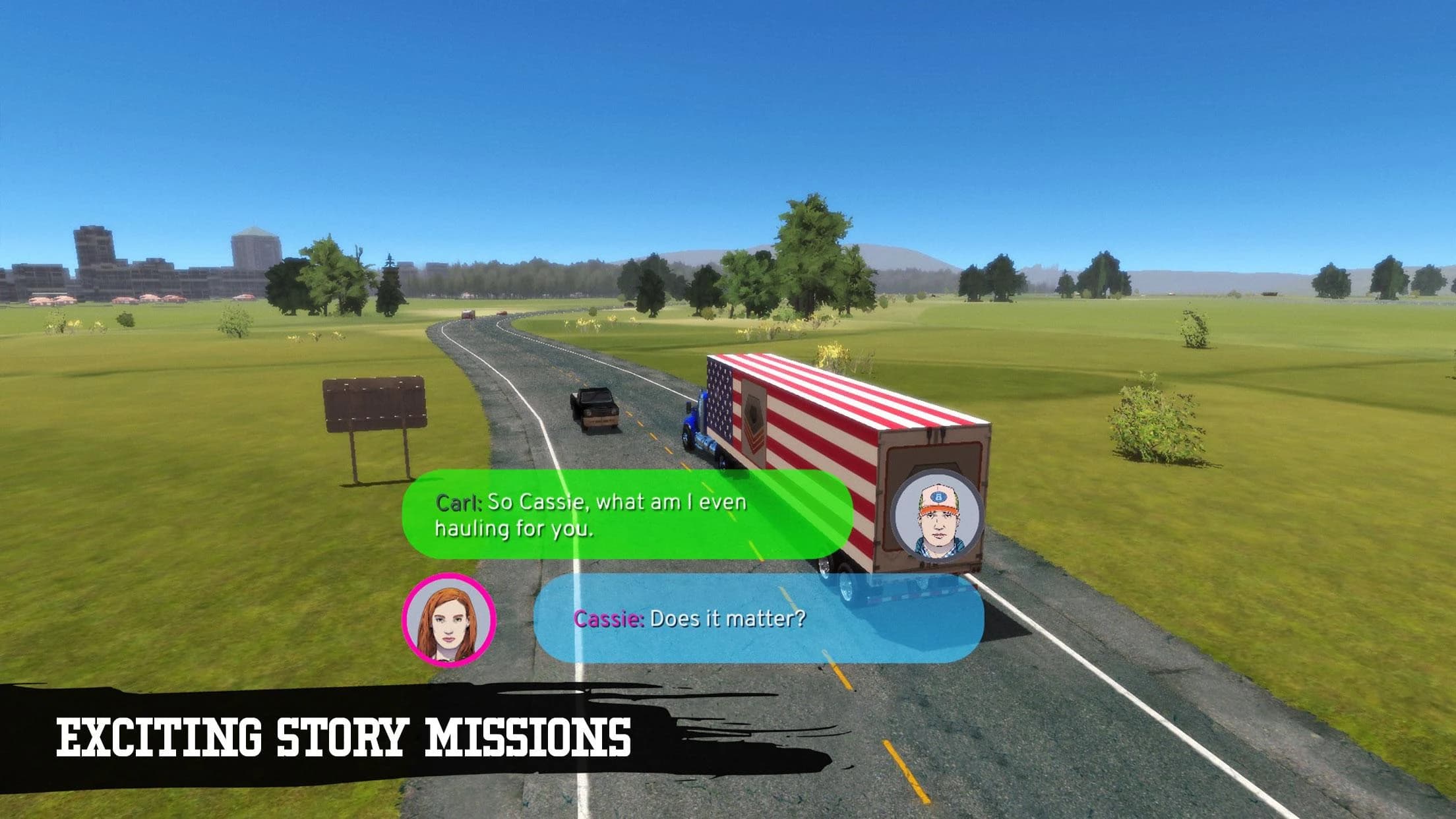
Mission system
One of the most interesting additions to the game were the story missions. The game introduced an original and sprawling story, putting the player in the shoes of an estranged sibling of the legendary family of truckers, trying to rebuild their trucking company.
The designing process of the mission started with planning out the route the player would have to take during the mission, taking into the account the progress of the player and the territories they would have access to. Another goal was to give the players an opportunity to visit interesting places on the map and familiarize them with the road network.
All missions were constructed from the building blocks containing the custom made scripts and actions provided by the gameplay programmers. Those blocks would describe a set of terms and conditions that the player would need to fulfill or actions and triggers that would influence the gameplay during the missions.
In the later stages of the project I was responsible for redesigning some of the missions to account for the changes in the world map or to tweak them in relation to the publisher's feedback. This required of me a great knowledge of all the functionalities and scripts (building blocks) used throughout all the missions.
Level Design
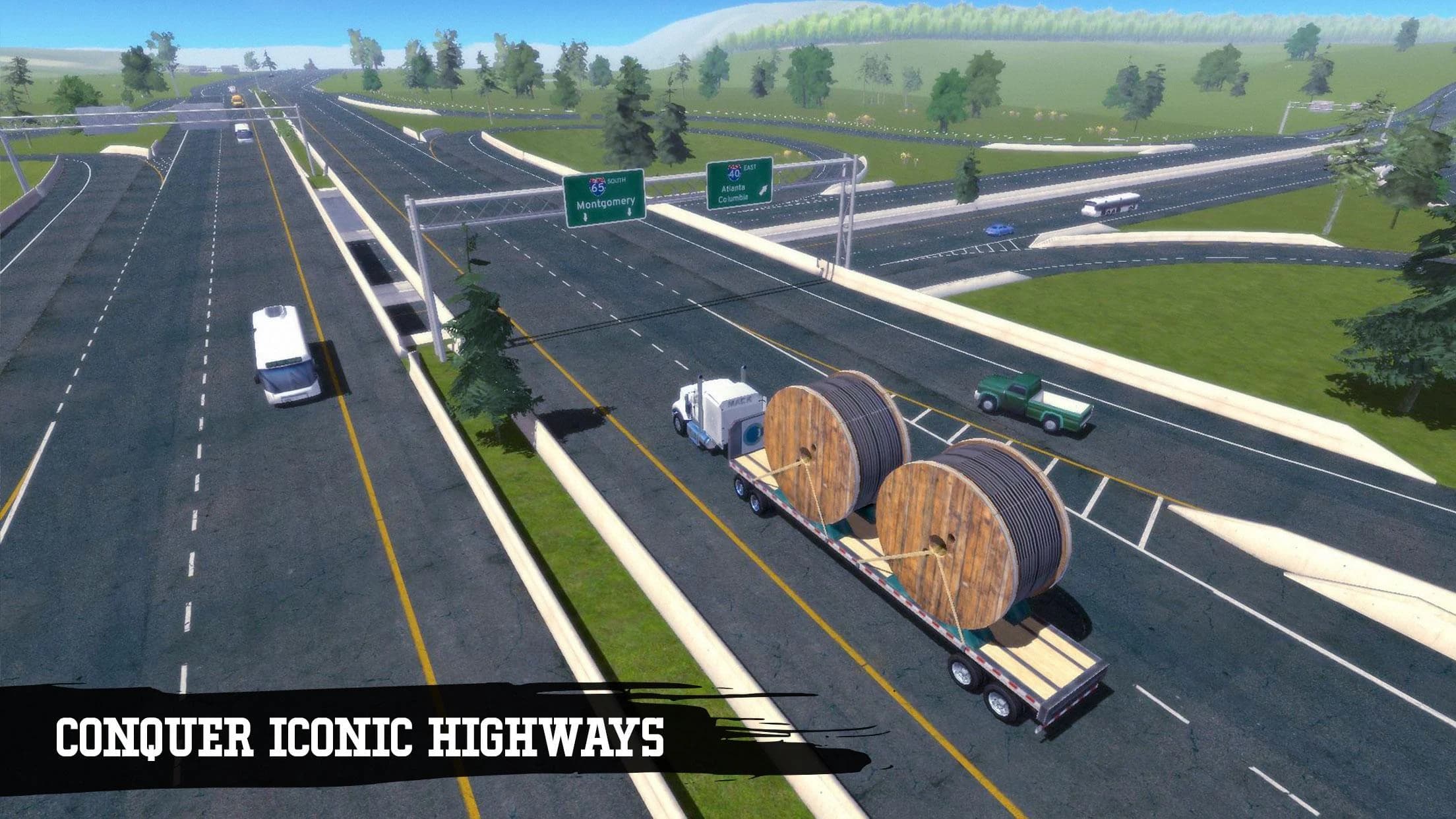
World map environment
Apart from the roads, the important aspect of how the game looked were the landscape surrounding the road network. During the creation of the landscapes I was responsible for painting the textures, placing the cities and buildings objects as well as generating tree lines. All of it was based on the spawn system relying on the players location in the world, which was also setup by me during the work on the feature.
Intersection system
The game involved a great number of various intersections of a varied degree of complexity. My job was to set up all of the intersections in the game with the appropriate road signs, city names and directions, exactly as the player would expect from seeing them on the real roads. In the end, all intersections were comprised of a couple of different prefabs. This had to be maintained all throughout the project and all later changes to the road network had to always be reflected in the intersections.
Extra
Build deployment
During the final production stages and the post release support I was also in part responsible for the preparation of the releasable builds of the game and providing them to the publisher for the later build deployment. This covered all major patches as well as the minor fixes. During that process I was also responsible for providing the patch notes which would be later included on the store page.
Additional documentation
In the project I've become known for keeping notes and documenting as much of the processes I was involved with as possible. In addition to the GDD I began collecting the data on many features in the game, so they can be easily found and referenced throughout the later development of the game.